
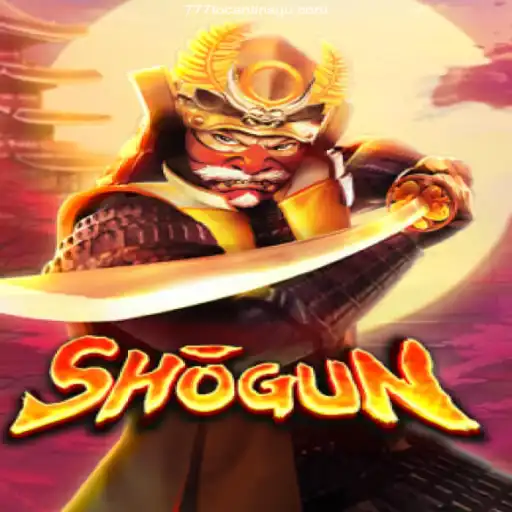
Shogun: A Masterpiece in Strategic Gaming
In the vast landscape of gaming, where creativity and strategic depth are continuously evolving, the game “Shogun” stands as a testament to the timeless allure of strategy-based entertainment. Whether you're a seasoned military strategist or a casual gamer seeking a rich historical narrative, Shogun offers a compelling experience that blends history with the intricacies of tactical decision-making. Developed to immerse players in the strategic conquests of feudal Japan, this game invites participants to step into the roles of powerful daimyos vying for control of the land.
A Glimpse into Shogun’s World
Shogun is a game set against the backdrop of Japan's tumultuous Sengoku period, a time marked by political intrigue and relentless battles between rival factions. The game captures the essence of this era, allowing players to engage in battles that could alter the course of history. As a daimyo, players must strategize to expand their territories, build their armies, and outthink their opponents. Each decision carries weight, as the balance of power can shift with every battle won or lost.
The Intricacies of Shogun Gameplay
The core of Shogun revolves around strategy and planning. Players must manage resources and troops, strategically positioning their forces across a map that represents the fragmented provinces of Japan. The game requires a deep understanding of both offensive and defensive tactics, demanding that players anticipate their opponents' moves while fortifying their own positions.
One of the unique elements of Shogun is its combination of strategy and chance. While players plan their moves meticulously, the outcome of battles can be influenced by factors beyond control, such as unpredictable weather conditions or unexpected alliances. This randomness introduces an element of excitement and uncertainty, keeping players on their toes as they adapt to unforeseen developments.
Understanding the Rules of Shogun
The rules of Shogun are designed to be both challenging and accessible, catering to new players and seasoned strategists alike. The game typically accommodates several players, each assuming the role of a daimyo. The primary objective is to gain control over the most provinces by the game's conclusion, achieved through a mix of military force, diplomacy, and cunning.
At the start of the game, players are assigned a certain number of provinces, along with resources to build their armies. Each round consists of phases such as planning, action, and resolution. During the planning phase, players secretly decide their actions, including movements, attacks, or fortifications. The action phase reveals these decisions, leading to battles and territorial changes. Finally, the resolution phase assesses the outcomes, with players adjusting their strategies based on new developments.
Key to success in Shogun is mastering the balance between risk and reward. Aggressive expansion can yield significant benefits, but overextension may leave provinces vulnerable to counterattacks. Building alliances with other players can provide temporary security, yet these agreements are fragile and must be approached with caution.
Shogun in the Context of Modern Gaming
In today's gaming world, where digital and tabletop games vie for players' attention, Shogun continues to hold a special place among strategy enthusiasts. Its enduring appeal lies in its blend of historical richness and engaging mechanics, allowing players to experience the tension and triumphs of a bygone era.
Recent updates have seen Shogun embrace modern technology, with digitized versions bringing this classic game to new audiences. Through these platforms, such as 777Tocantins.Com, players around the world can connect and compete, transcending geographical boundaries.
The popularity of Shogun reflects a broader trend in gaming towards experiences that offer more than just entertainment. Players seek games that challenge their intellect and provide a deeper understanding of historical events. As a result, titles like Shogun not only entertain but also educate, offering insights into the strategic complexities of real-world scenarios.
Conclusion
Shogun stands out as a remarkable experience in the domain of strategic gaming, providing a nuanced blend of historical accuracy, strategic gameplay, and engaging mechanics that challenge and inspire. Whether played on a traditional board or embraced through modern digital platforms, Shogun remains an essential journey for any fan of strategy and history.